Biltmore house condominiums
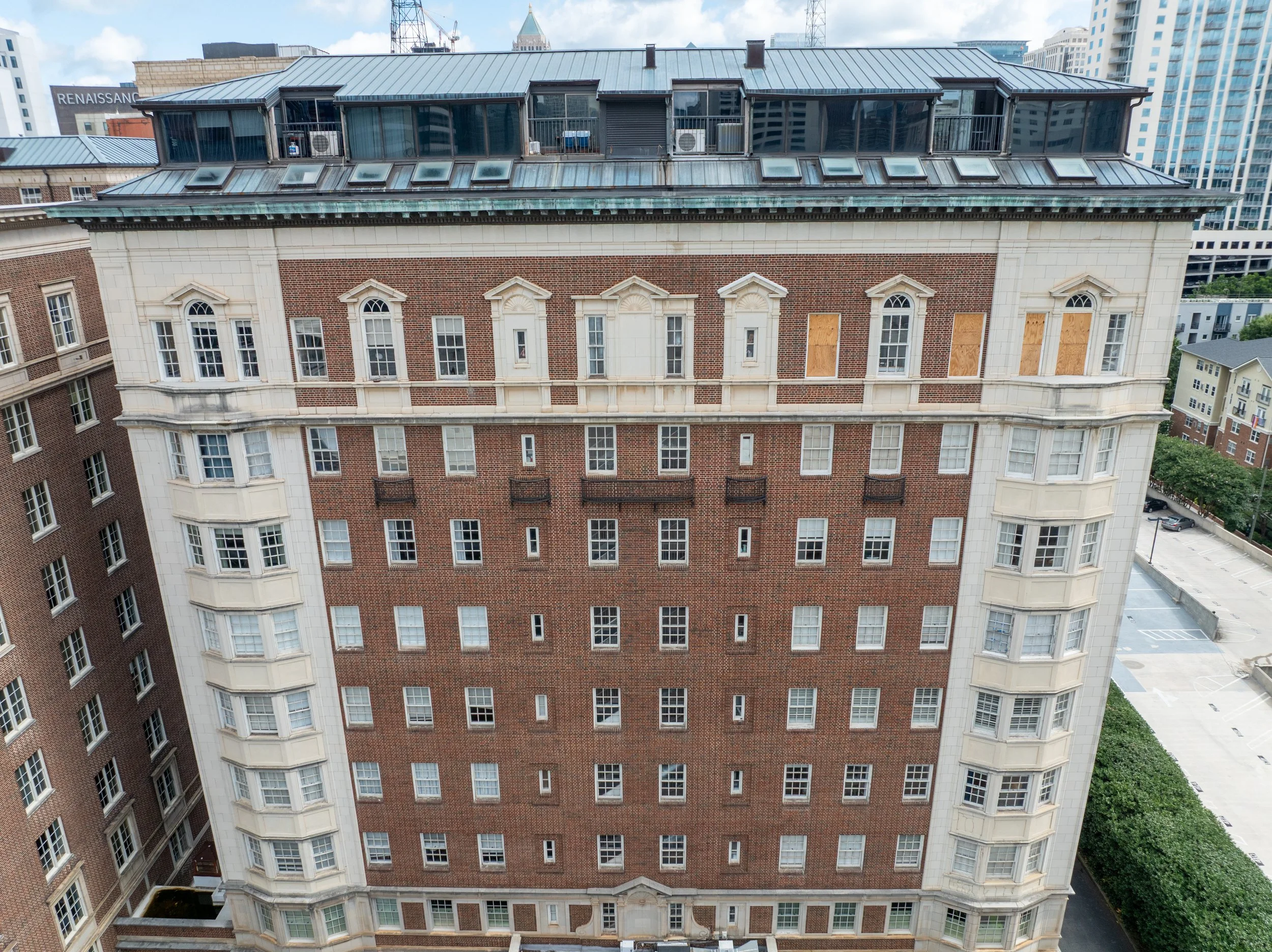
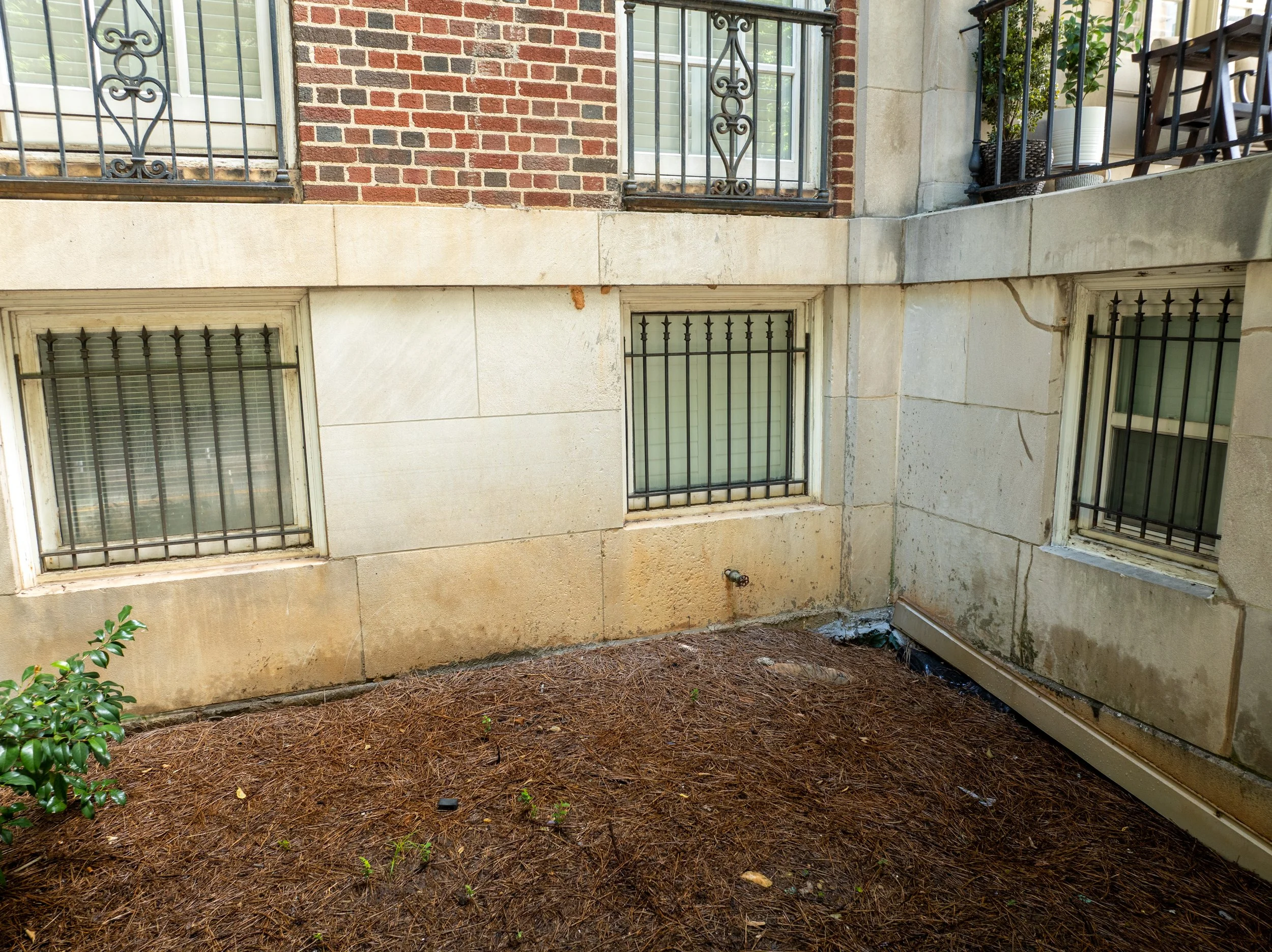
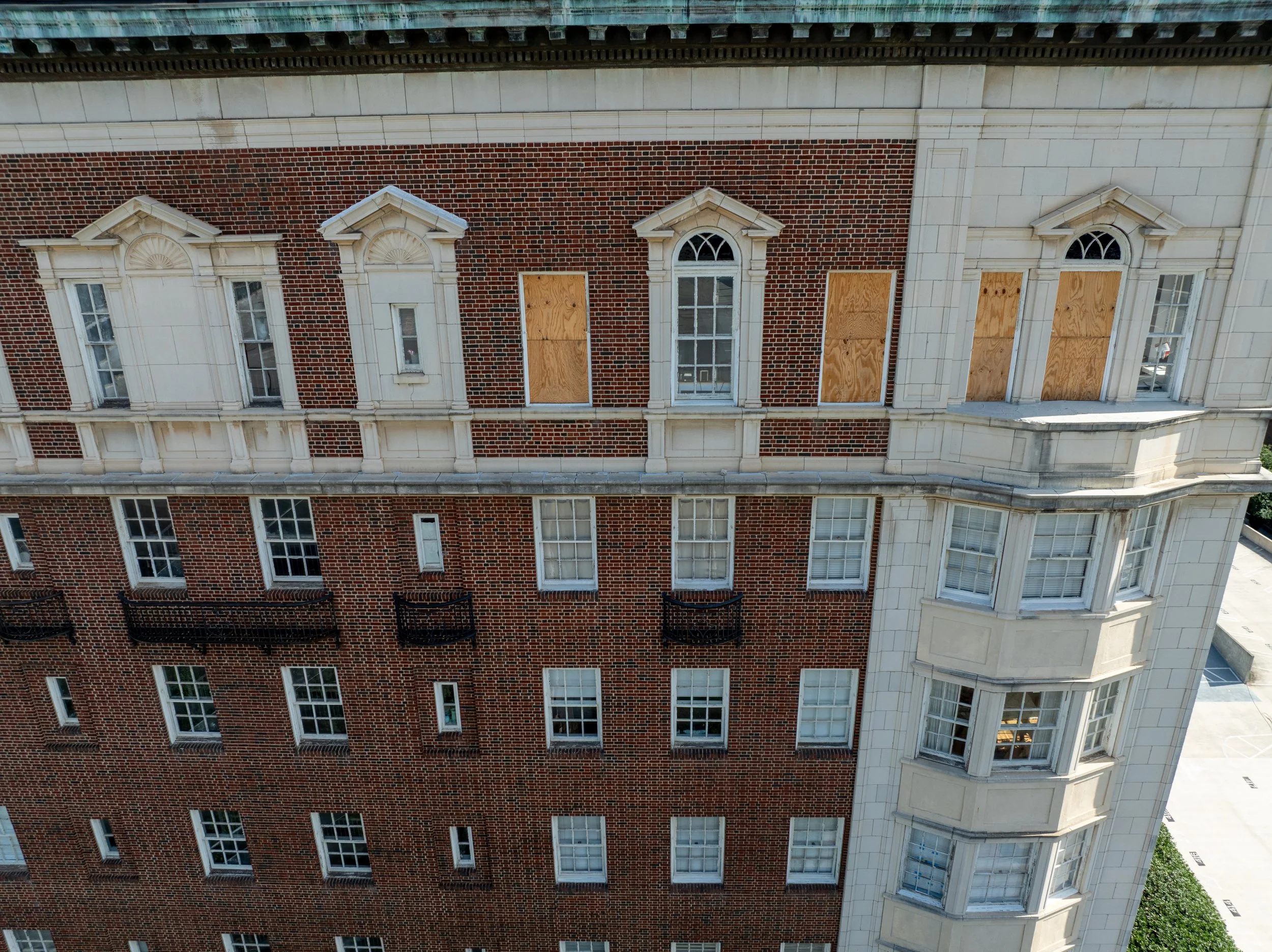
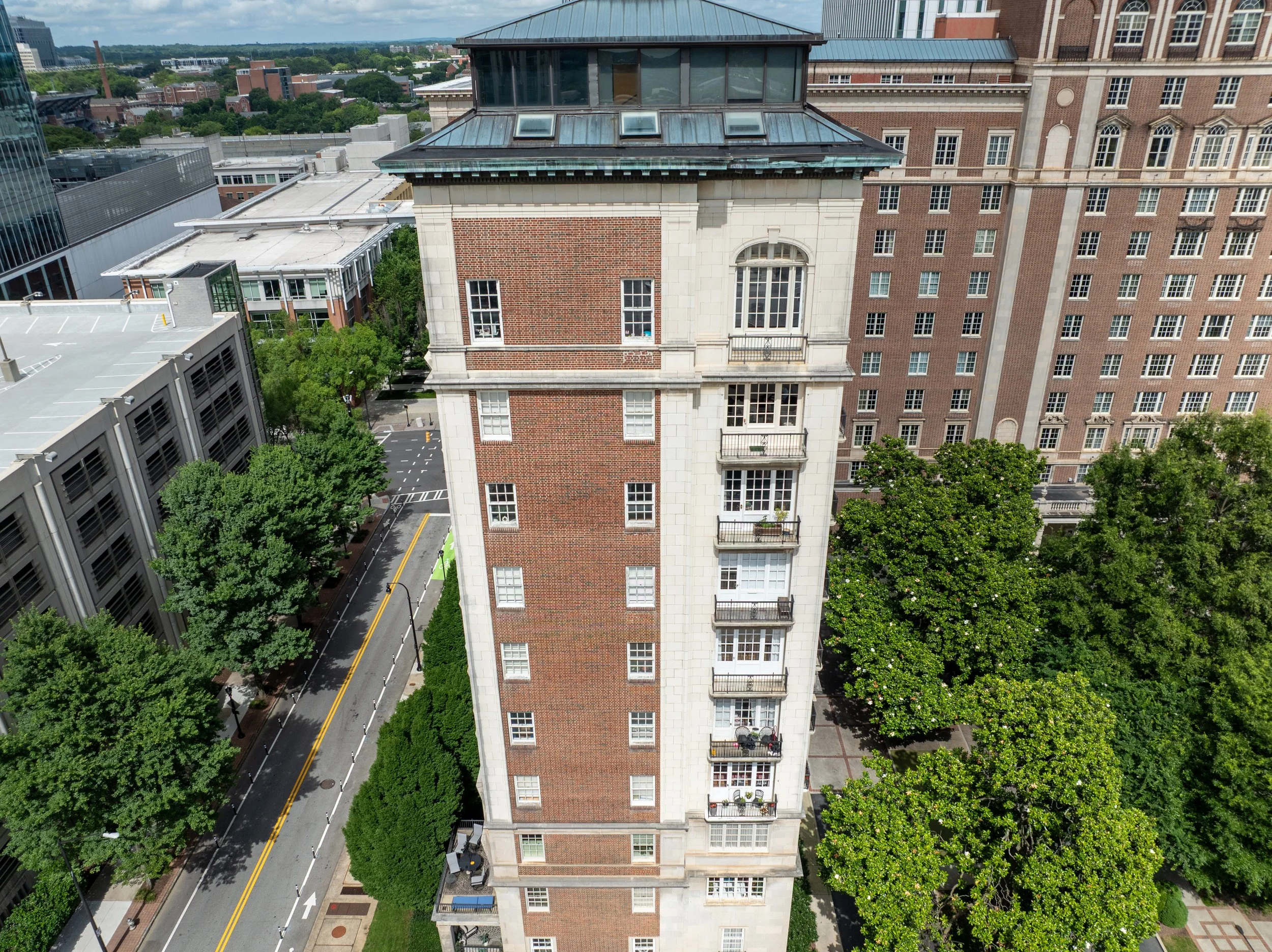
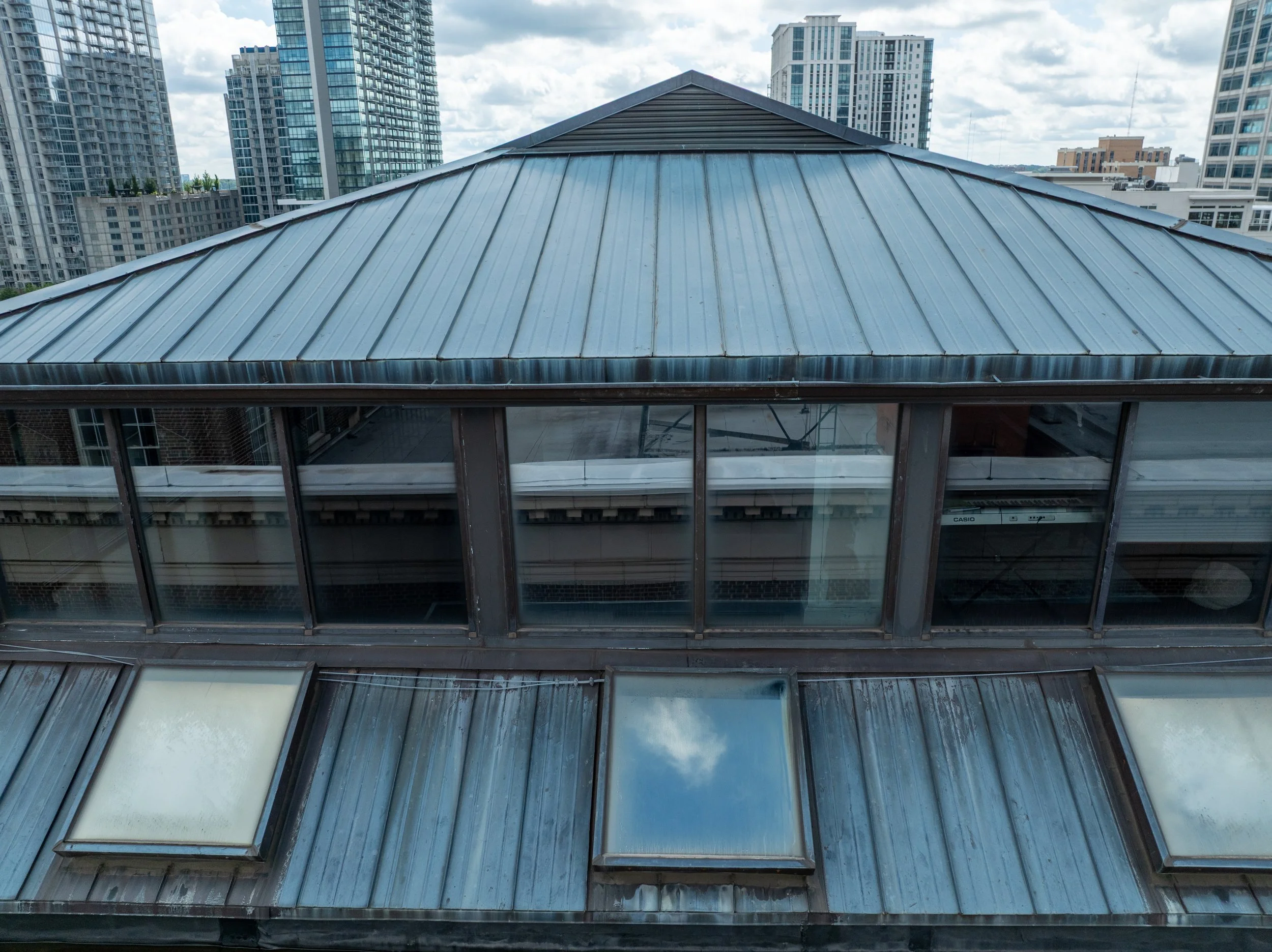
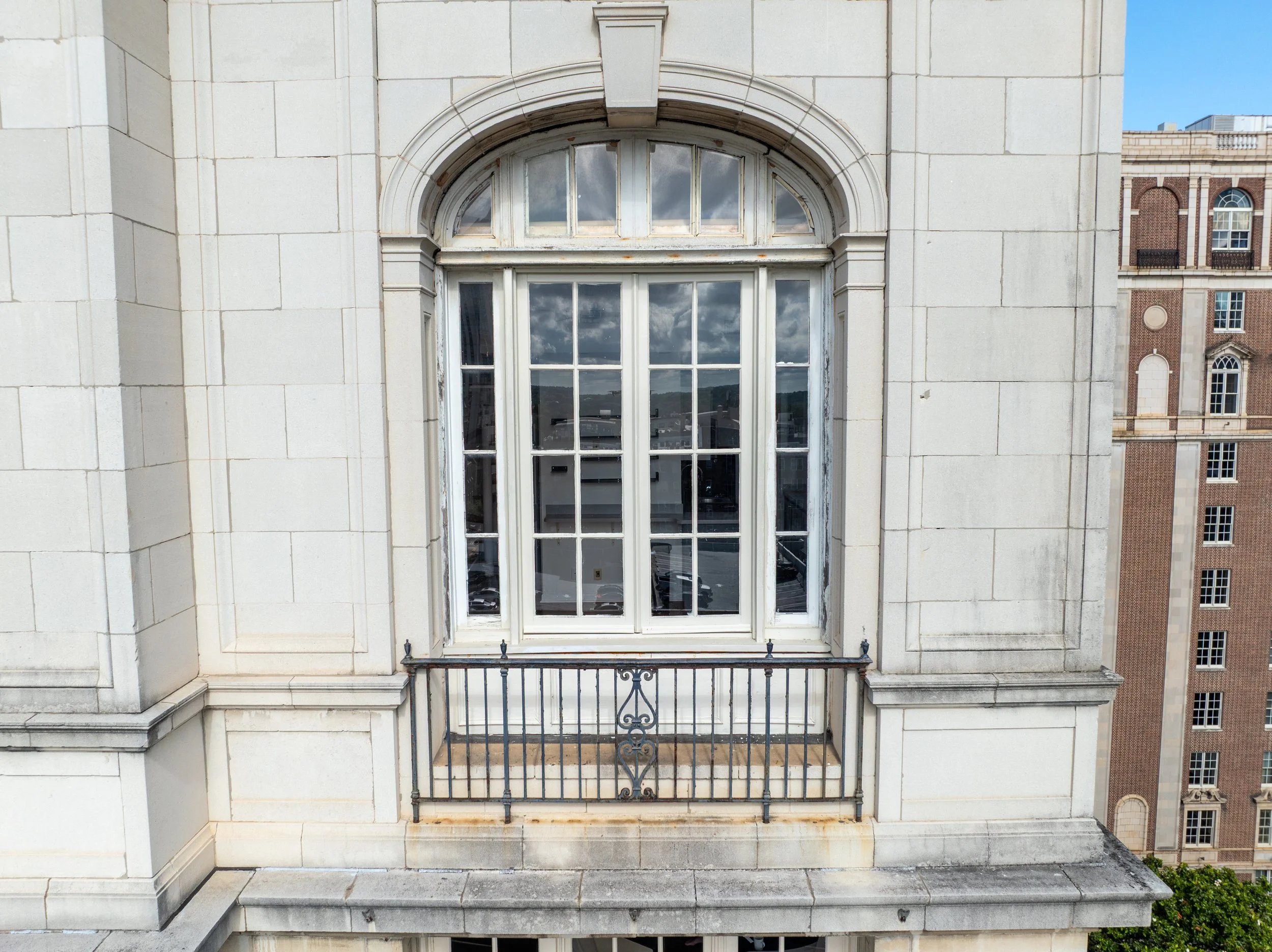
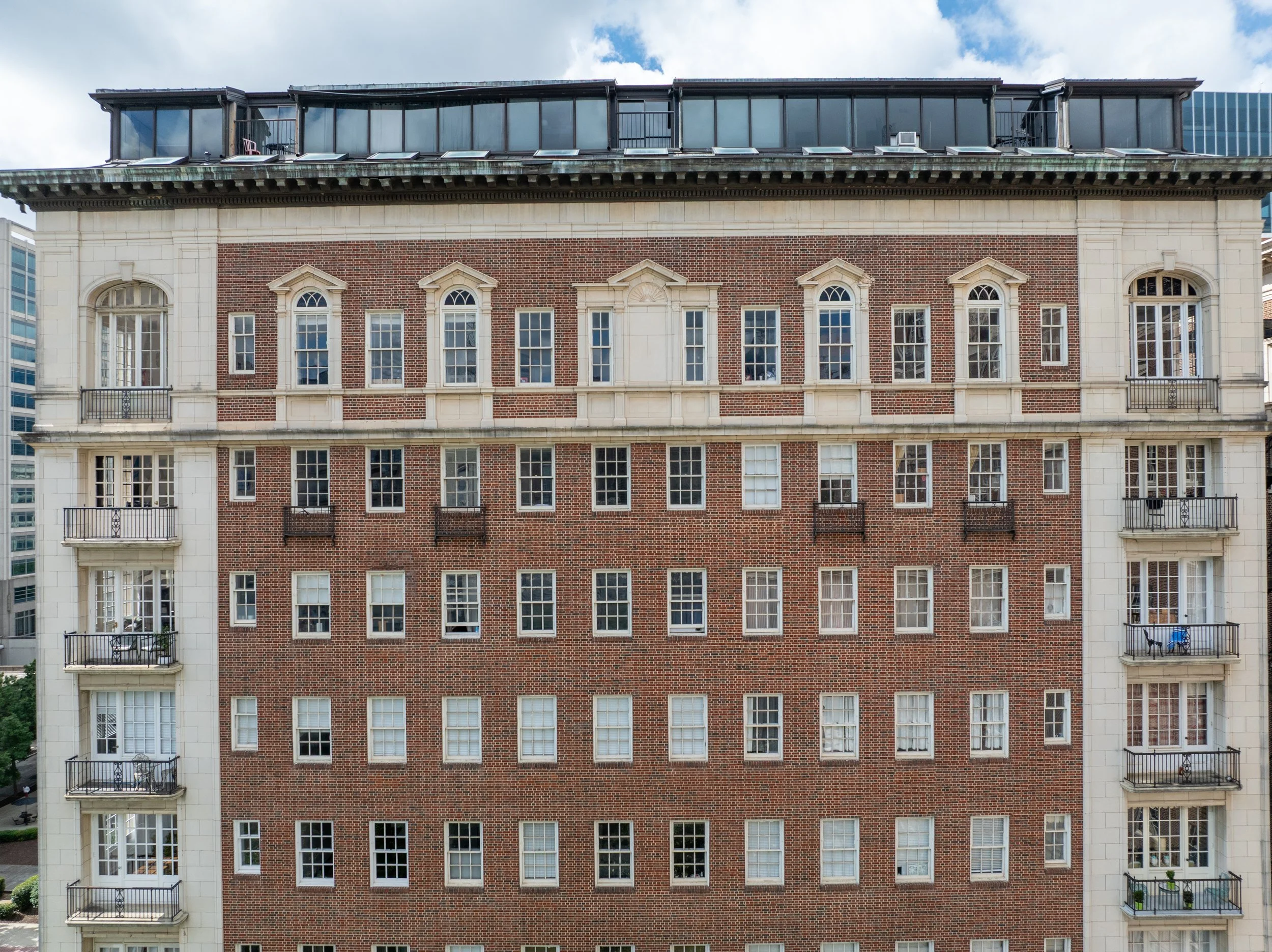
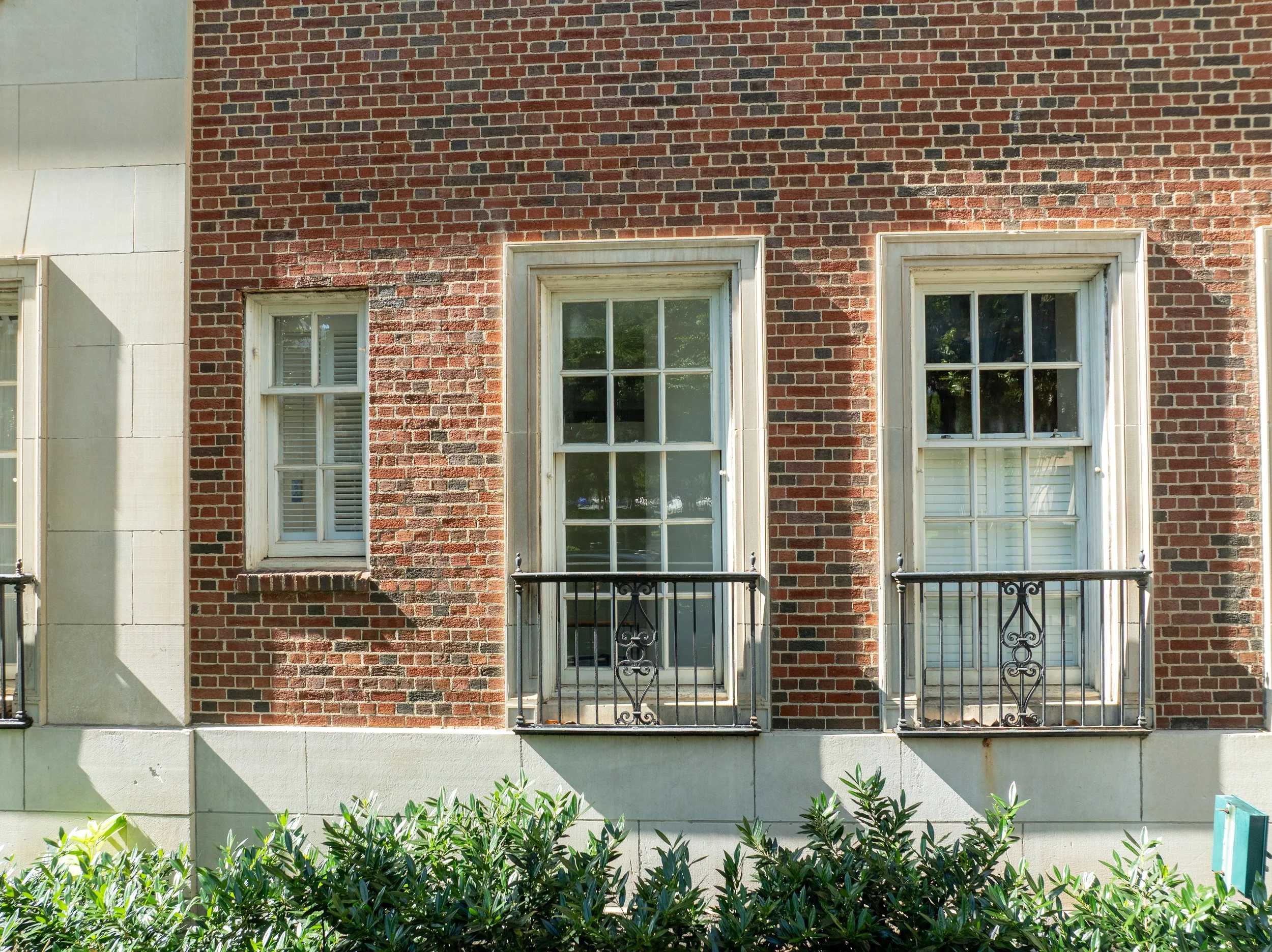
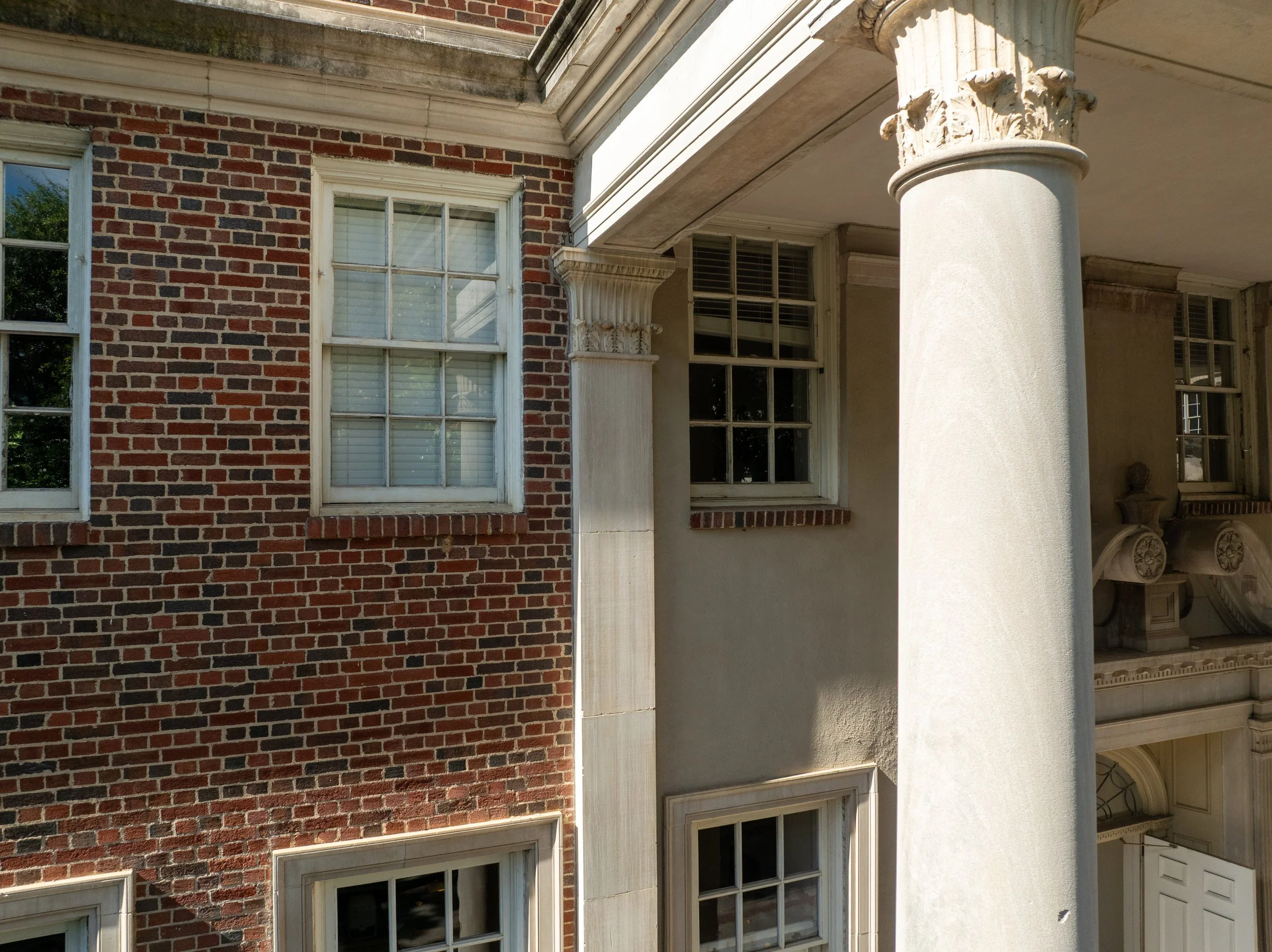
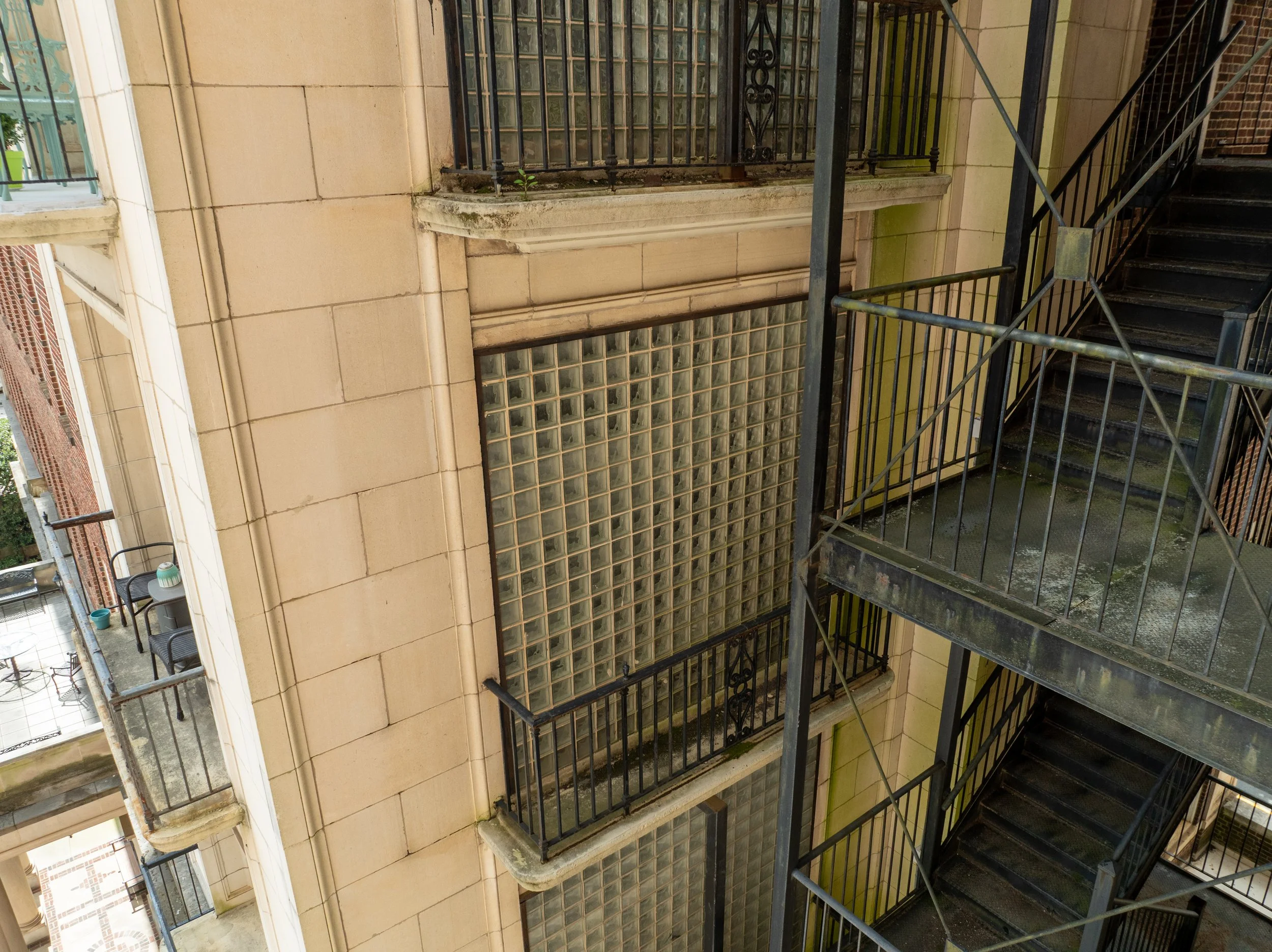
The Biltmore House Condominium Association commissioned Landmark Preservation Consulting LLC (LPC) to conduct a conditions assessment of the 344 windows located in the Biltmore House Condominiums, built in 1924. The rooftop addition was constructed in 1984-1985. Easements Atlanta maintains an exterior easement on the building and as part of future restoration efforts, an assessment was needed. The purpose of this assessment was to identify window deficiencies and to make recommendations for future restoration. The report also prioritized repairs and created a capital budget to assist in long-term planning. It focuses not on restoring the building to a period of significance or to a particular time period but on securing and stabilizing the historic windows to prevent future loss and replacement. Additional considerations, such as adjacent masonry and iron railings, were included in the assessment as well. Due to the height of the building, drone video and still camera footage was utilized in order to assess all windows from the exterior, and accessibility into a select number of units also occurred.
A window assessment spreadsheet was created to aid in the assessment for data collection of each window surveyed and provided in order for each condo owner to understand the condition of their condo’s windows. Existing architectural drawings was provided by the Condo Association to aid in this endeavor. Windows were numbered as the assessment took place. Spreadsheet fields included the following: location (floor, unit number), style, an overall rating, rating of the condition of frame, mullion, upper and lower sash, muntins, glass, material of the sill, if the window was operable and if window hardware was present, where the survey was taken from, and if iron railings or bars were present. Rated portions of the form included: frame, mullion, upper sash, lower sash, and sill. Rated portions were determined based on a four level classification system based upon the system identified in the National Park Service Publication, Preservation Brief #9, “The Repair of Historic Wooden Windows.” Those four levels are as follows: Class One (1), “Routine Maintenance,” Class Two (II), “Stabilization,” Class Three (III), “Partial Replacement,” Class Four (IV), “Total Replacement.”
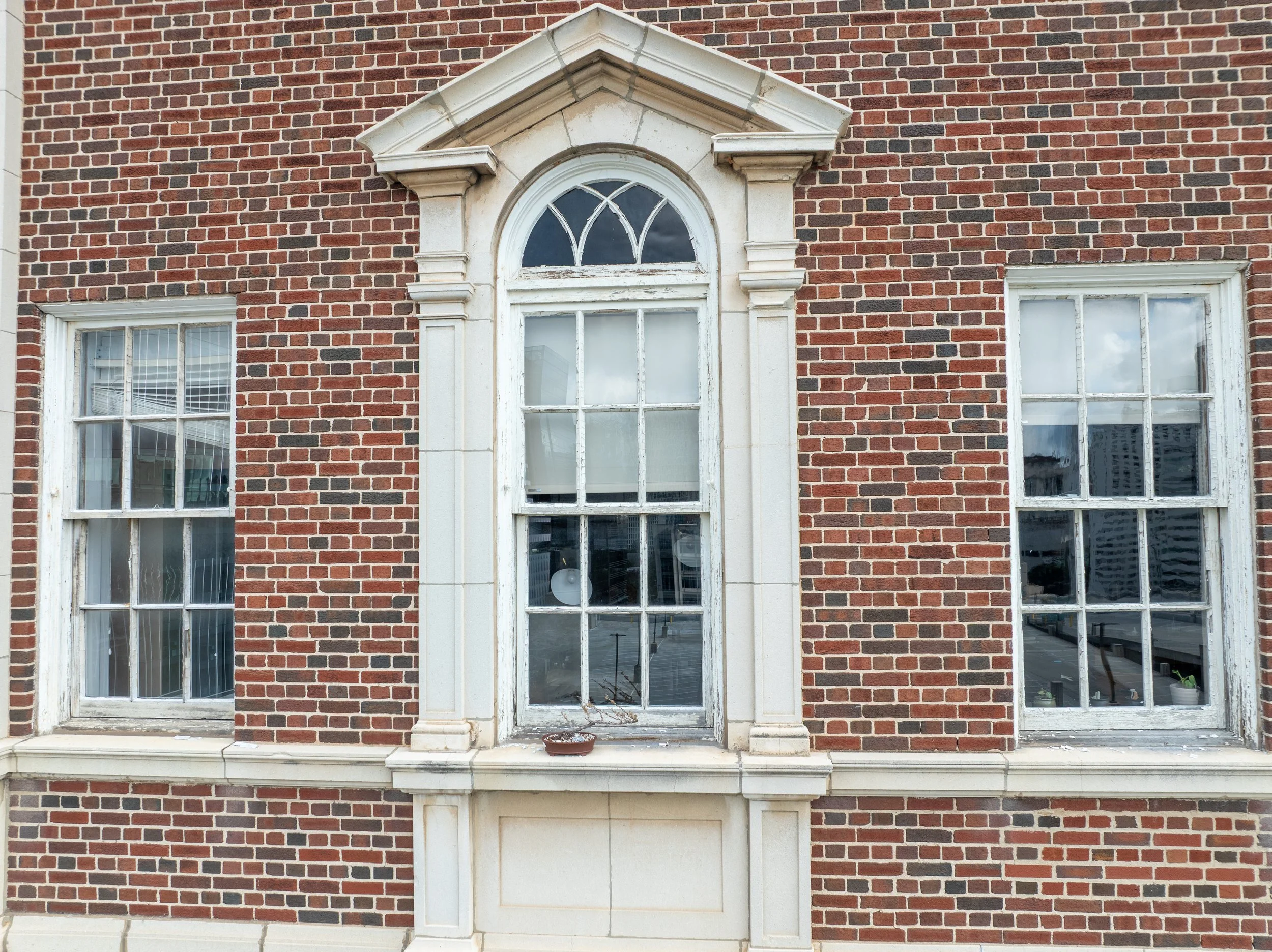
The majority of the windows fell into the “Routine Maintenance and Stabilization” categories. The most common issues included but are not limited to: inoperability, multiple layers of failed paint, missing or broken hardware, and relatively minor wood sash repairs from rot and water damage. All historic windows were found to be salvageable and still have many years left in their useful life cycle. We can confidently say that the windows could be successfully restored without any major issues.