LAkewood Elementary school
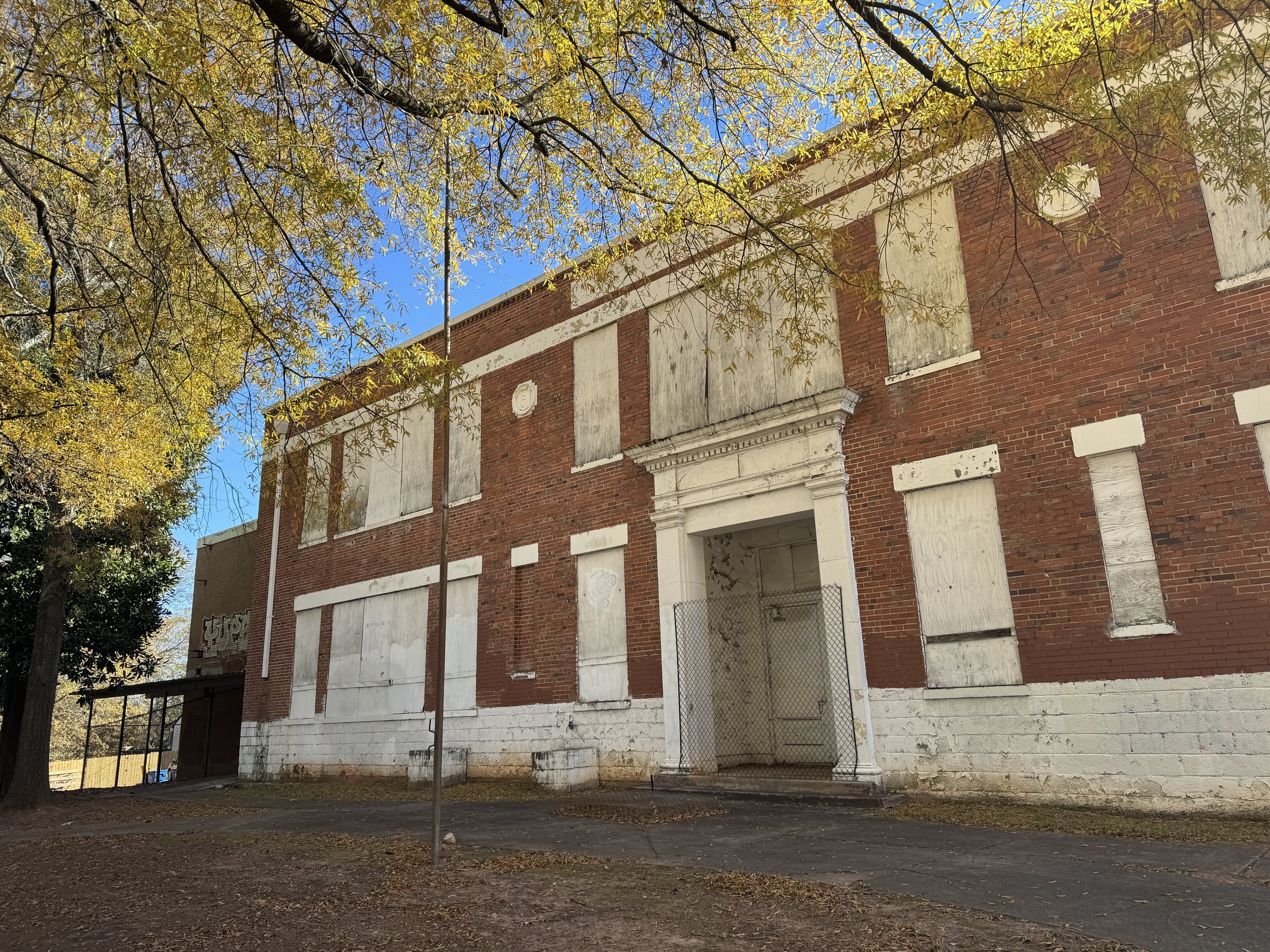
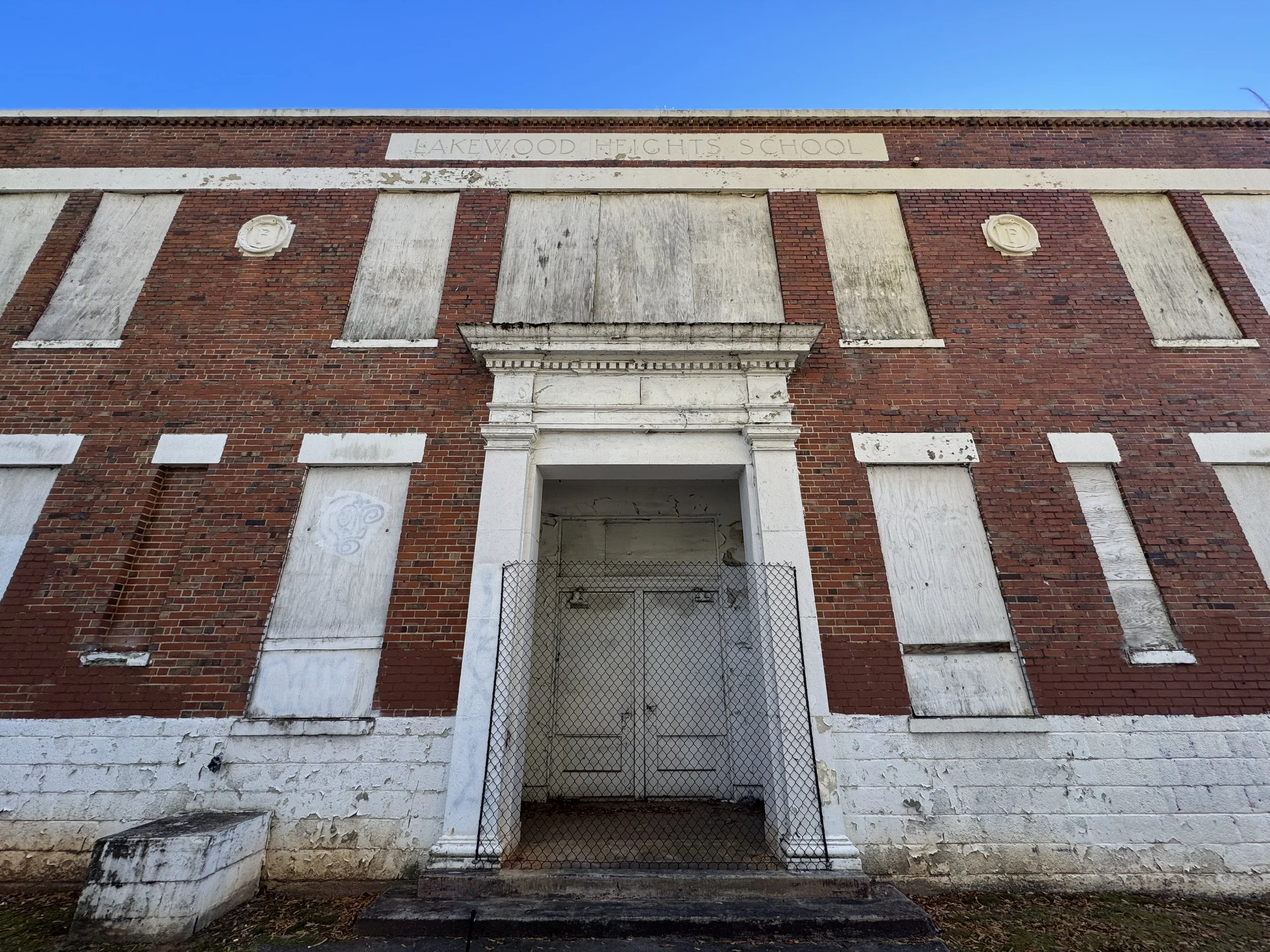
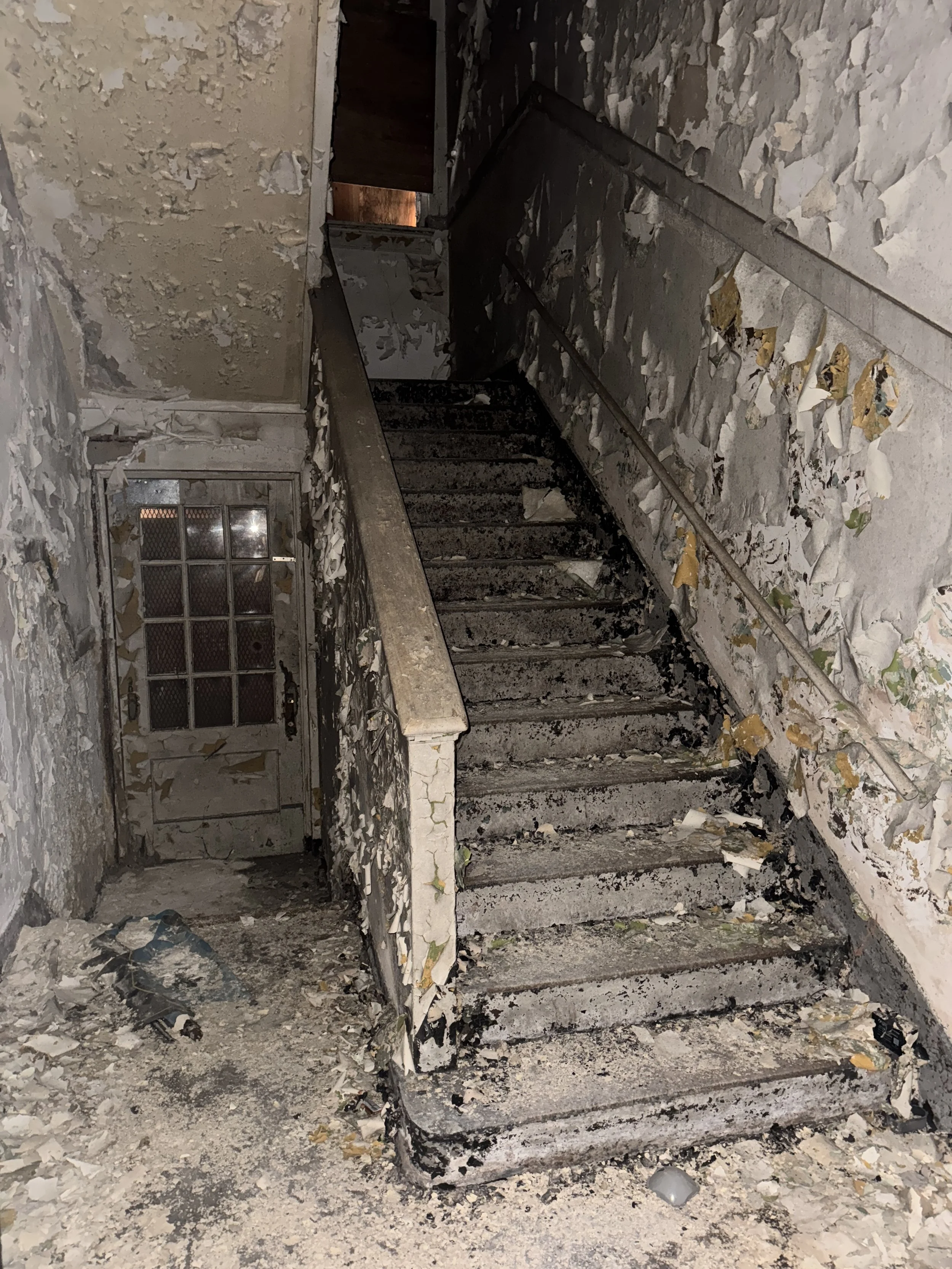
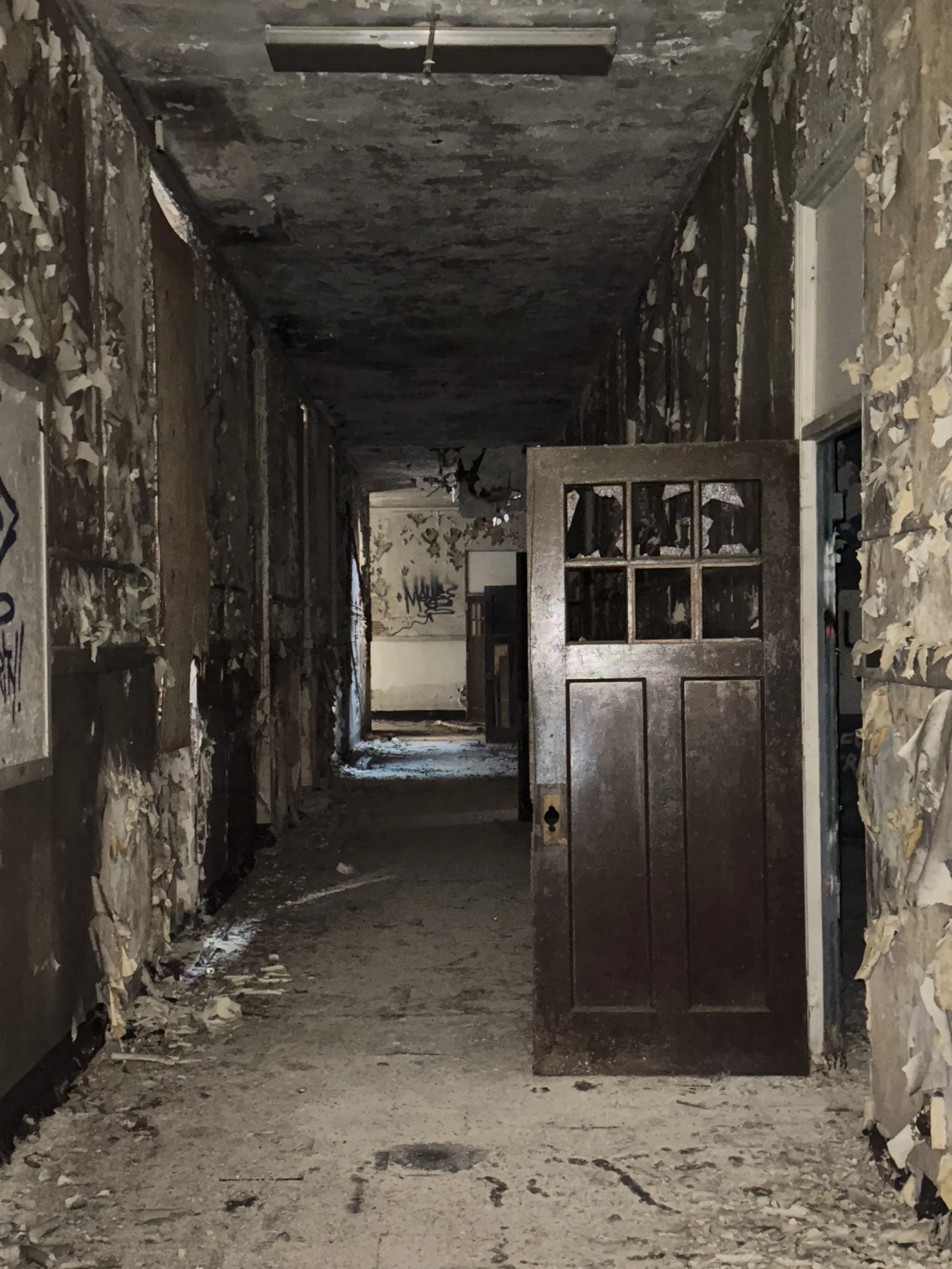
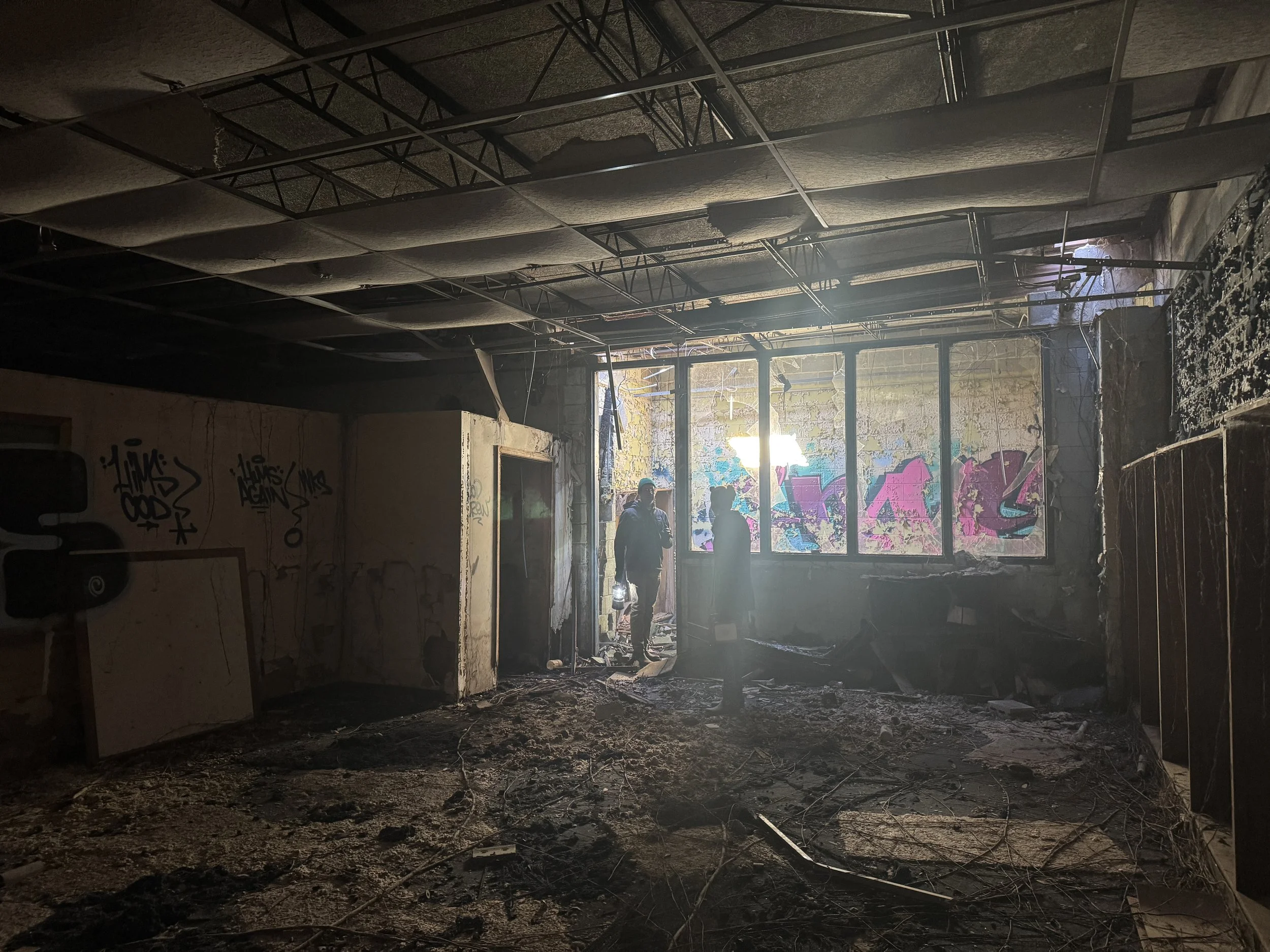
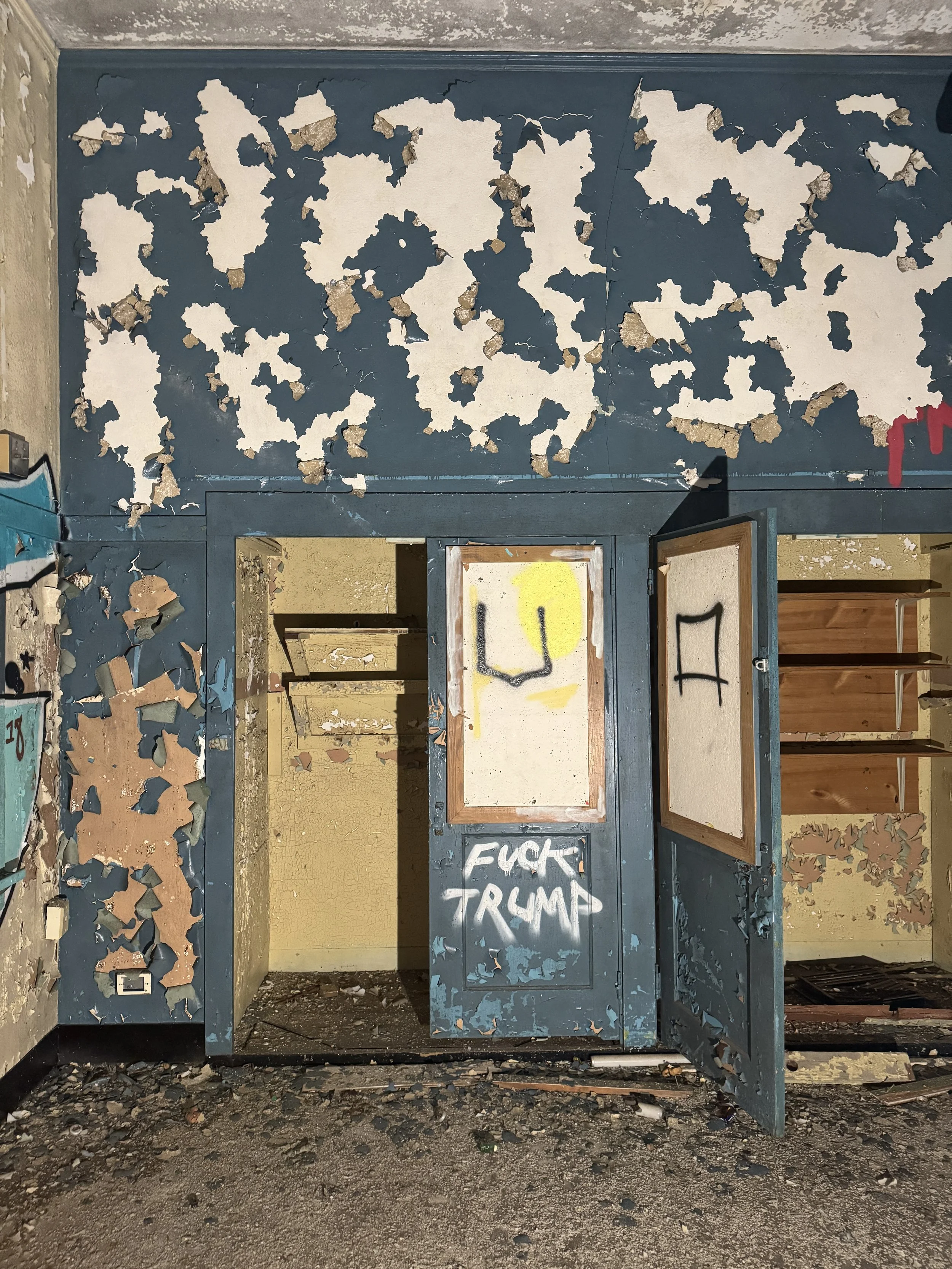
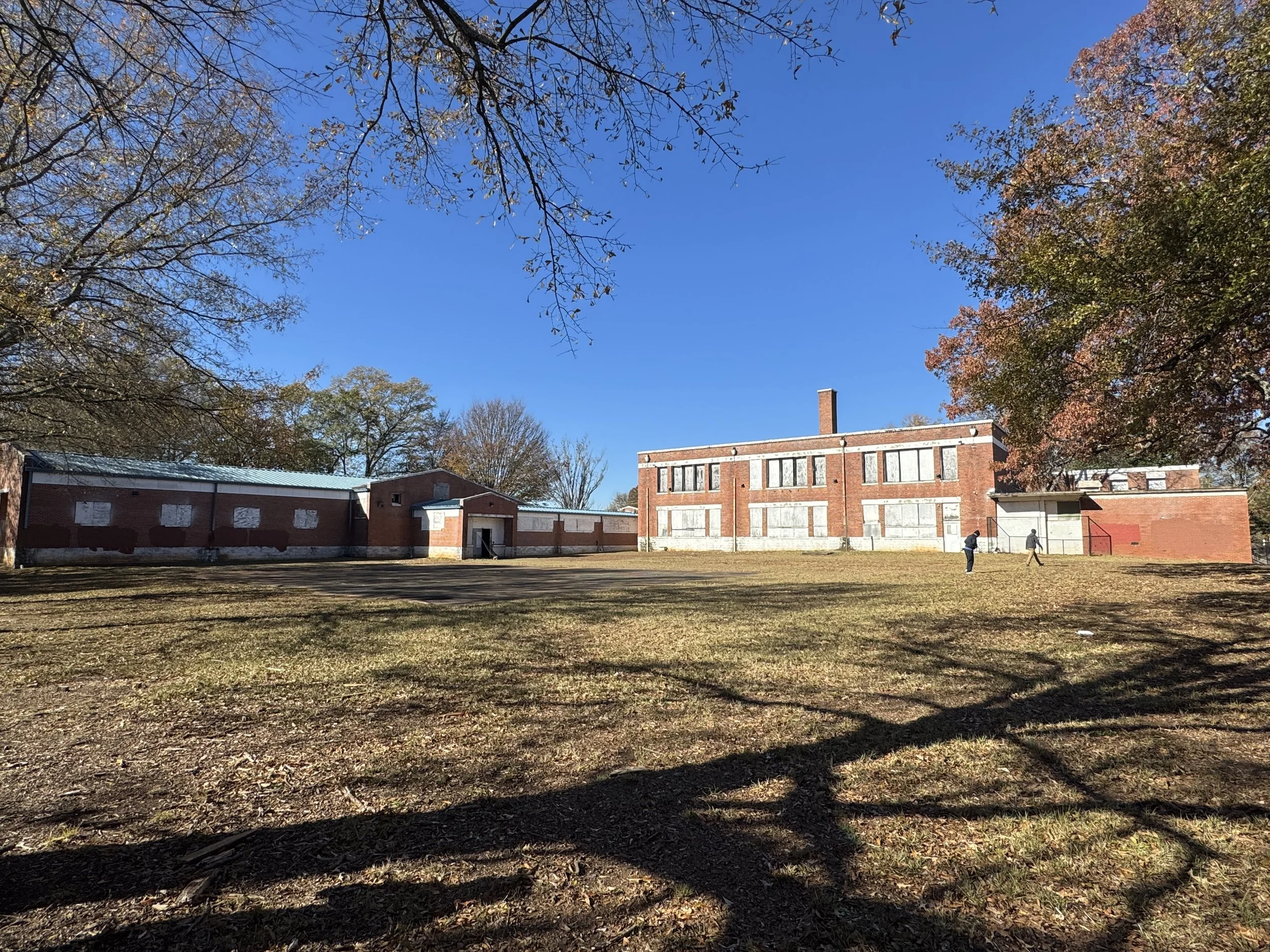
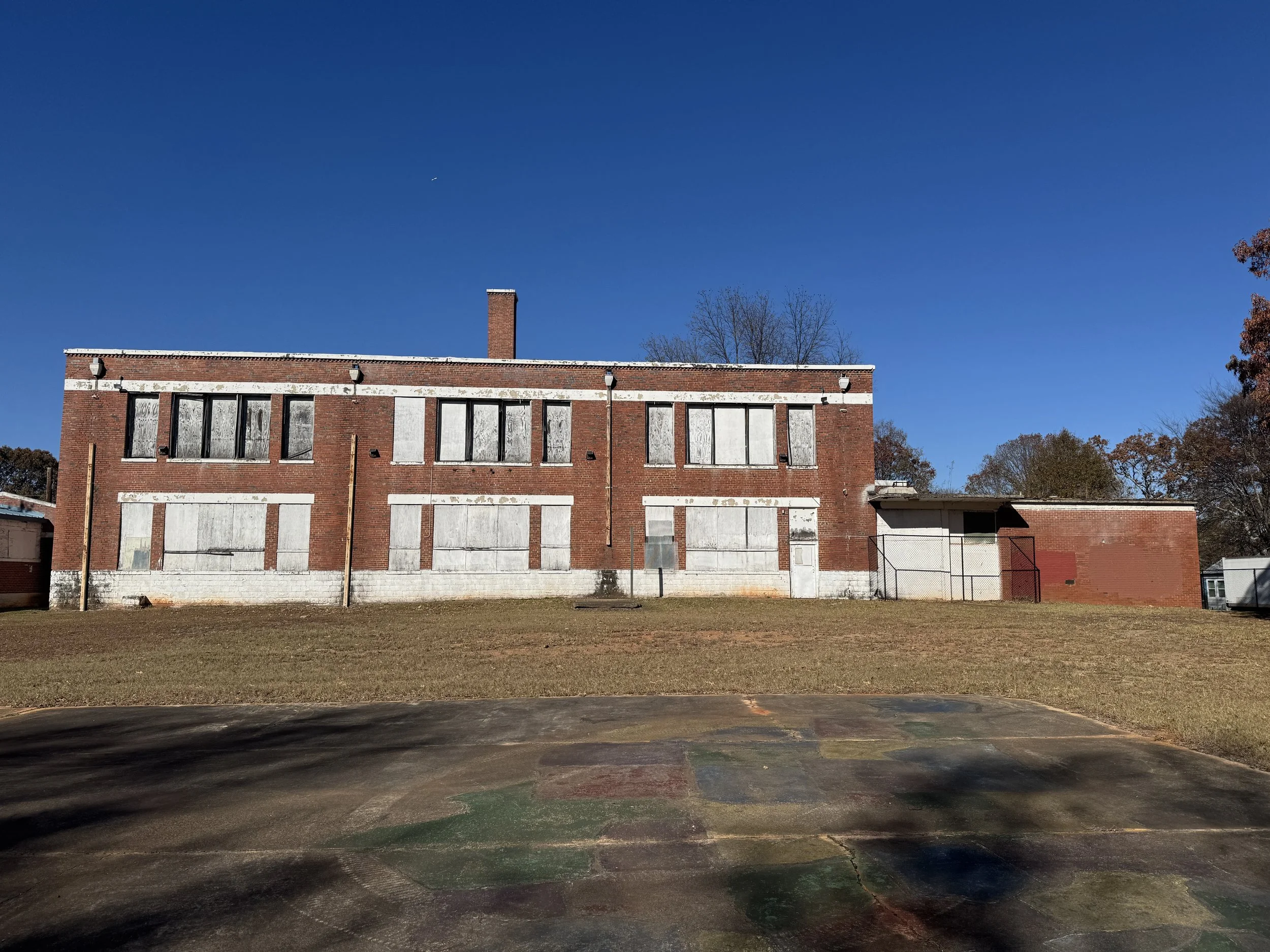
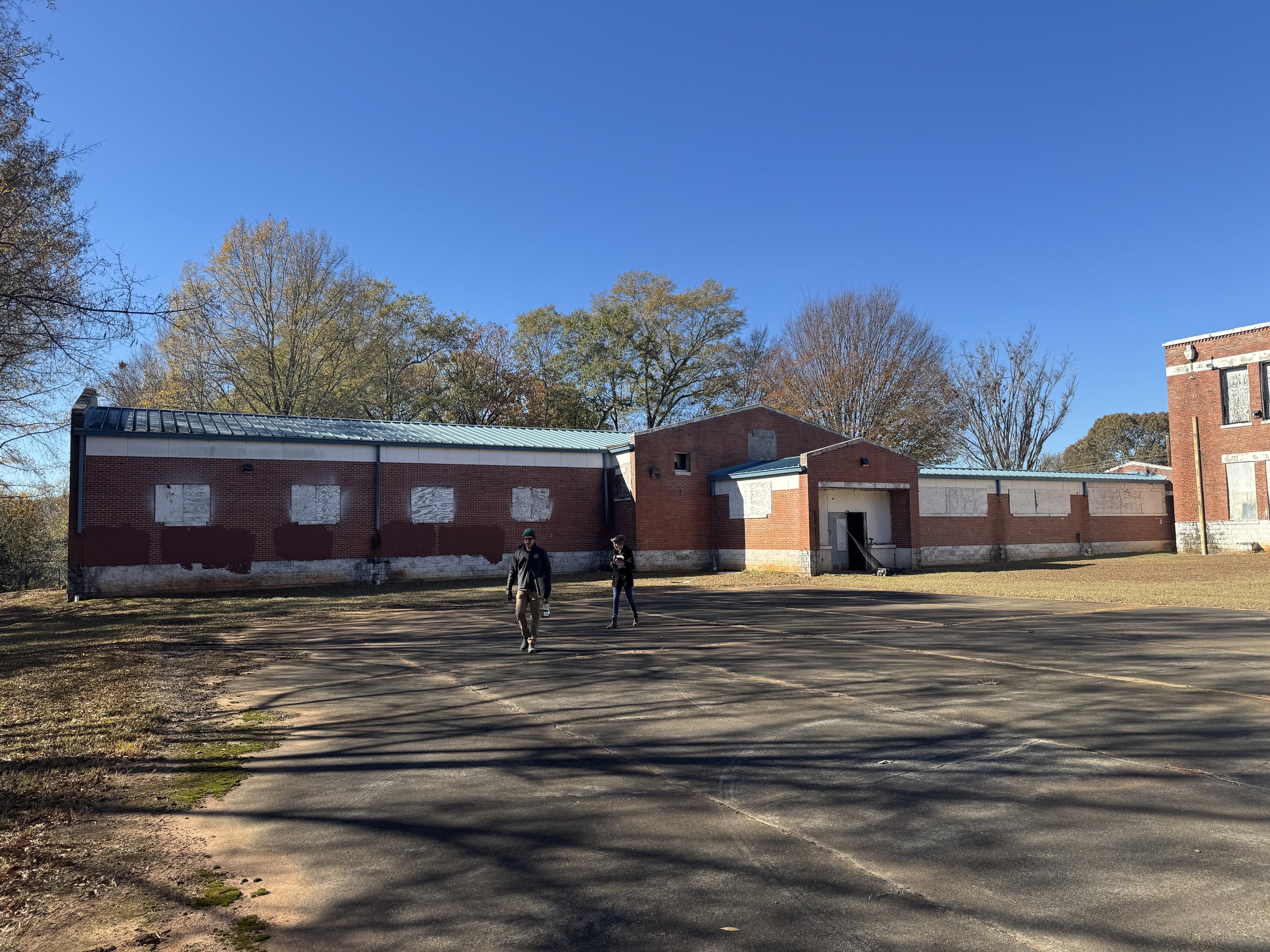
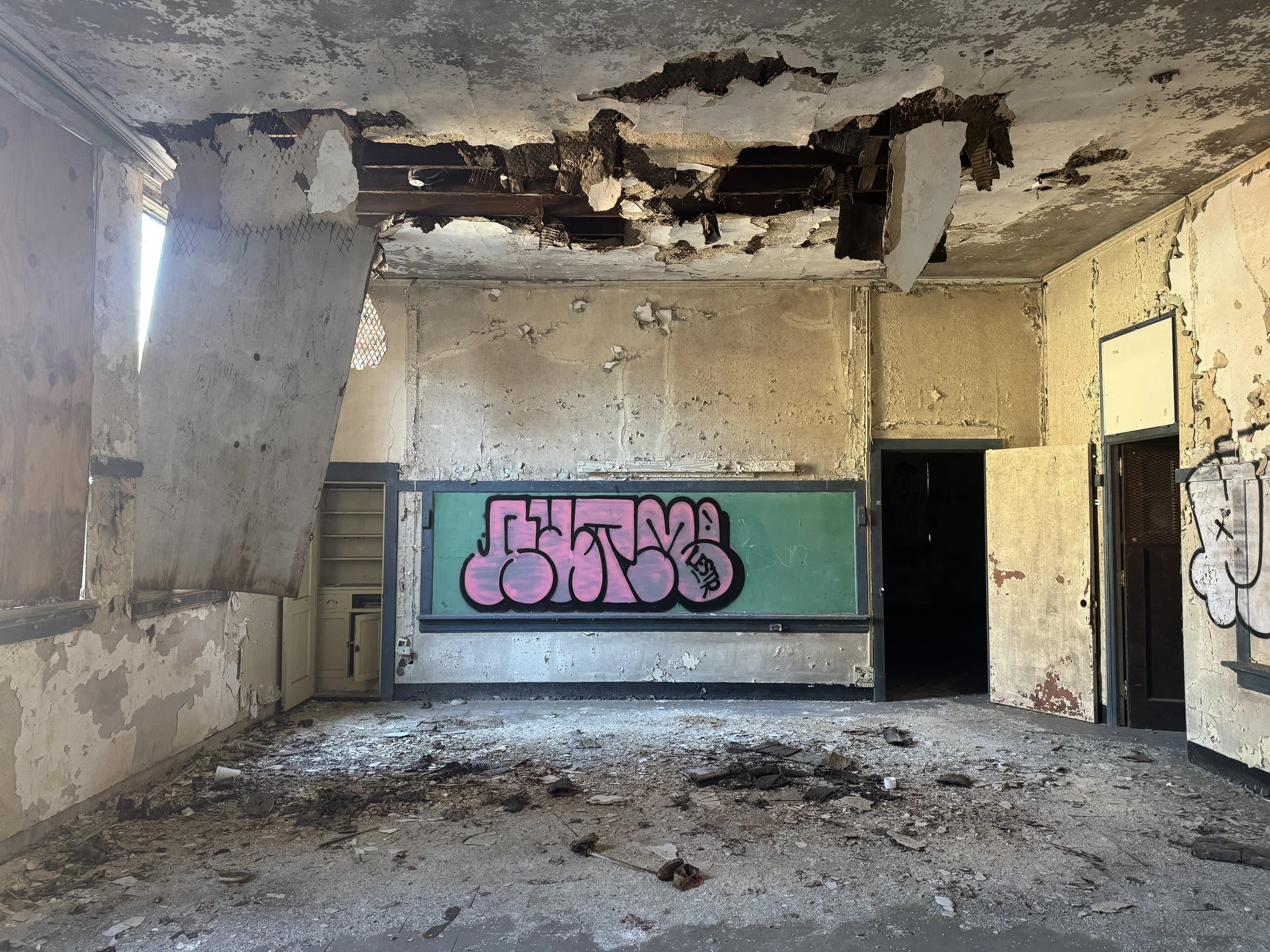
The City of Atlanta commissioned Landmark Preservation Consulting, LLC (LPC) to conduct a Conditions Assessment for the Lakewood Elementary School. Consulting services included: archival research, document the building’s current exterior and interior conditions, identify building deficiencies and making recommendations for future rehabilitation of the building. The report also created a five-phase prioritization schedule and a capital budget to assist in long-term planning.
HISTORY
Lakewood Heights Elementary School was designed by well-known Atlanta architects Edwards and Saywood, and built by Fulton County Schools in 1932. In 1936, the school was utilized by workers from General Motors as a regular meeting place to plan what would become one of the largest sit-down strikes in U.S. history. These strikes were a response to dangerous working conditions and part of a larger labor movement that included other G.M. plants in Flint, Kansas City and Cleveland, and propelled unionization to establish the United Auto Workers. In 1952, the property was acquired by Atlanta Public Schools. Full school desegregation and integration started in Metro Atlanta in 1961. Statistics from a 1972-1973 Research Atlanta Inc. report show Lakewood Heights still labeled as a segregated white school. Meaning that 90% or more of the students were white. Out of 418 students, only 40 were listed as black. The neighborhood G.M. Plant closed in 1990, which greatly impacted the surrounding neighborhood as the area’s largest employer. The Lakewood Heights neighborhood was designed a historic district and listed on the National Register of Historic Places in 2002. The school is listed as a contributing building to the district. The building continued to operate as a school until it was closed in 2003.
Constructed as a k-7 school, the building standing today was constructed in three phases. The central portion was originally built in 1932. The first addition, located to the east and extending south, took place in the 1950s presumably after the property was acquired by Atlanta Public Schools. The last addition, located to the west and extending south, were completed in 1993.